
In his words
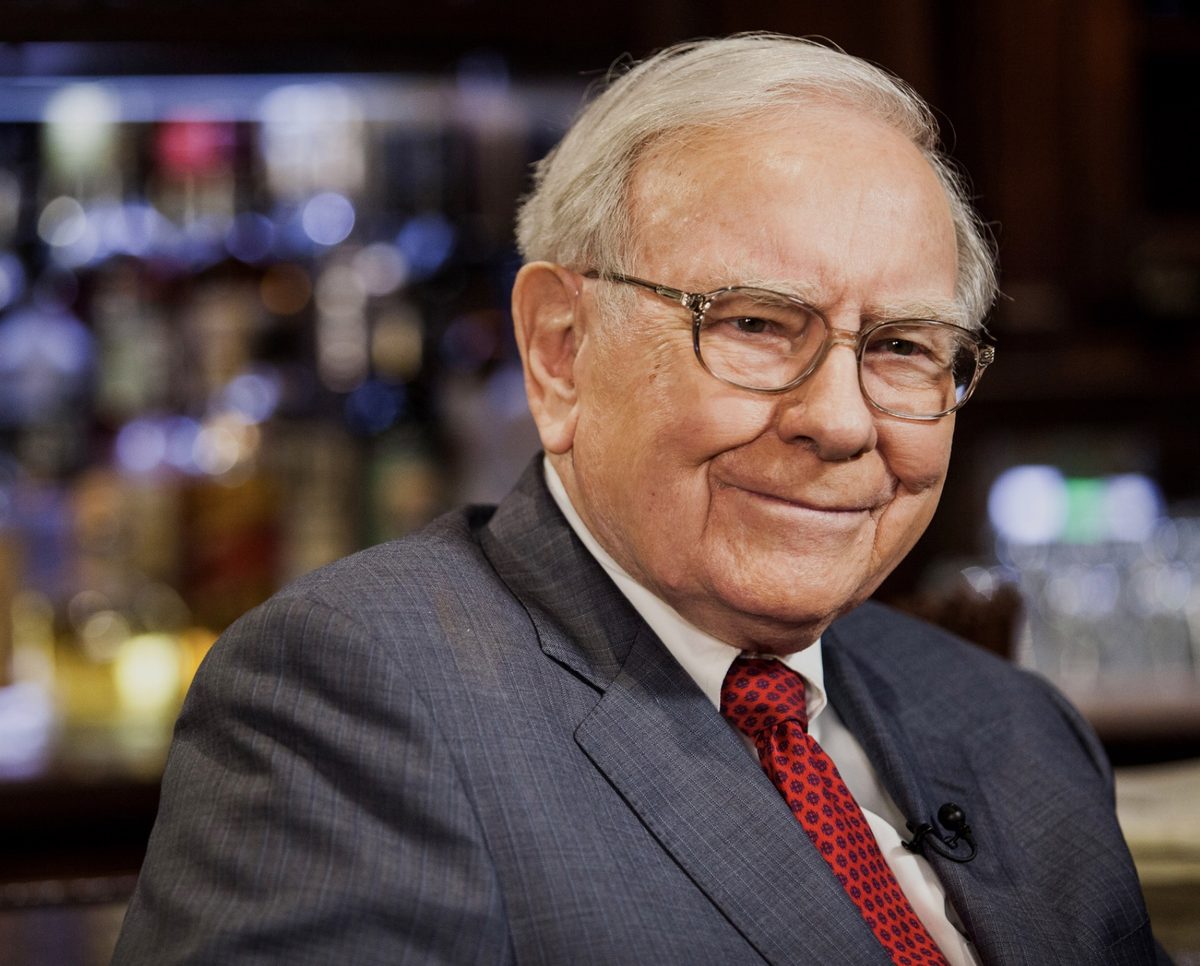
“Our favorite holding period is forever.”
“Be fearful when others are greedy and greedy only when others are fearful.”
Berkshire vs. the S&P 500
Growth of $100 in Berkshire Hathaway Class B (BRK-B) and the S&P 500 (SPY), for the same periods as our asset class scoreboard. The table updates with the period you pick.
Loading live prices…
| Selected period | Cumulative return | Annualized | Volatility (annualized) | Max drawdown | Correlation to S&P 500 | Beta to S&P 500 |
|---|
Annualized figures appear for periods of one year or longer. Volatility, correlation and beta use daily returns over the selected period. Past performance does not guarantee results.
Our memo: Berkshire and the return to value
For most of 2026, Berkshire Hathaway trailed the market. In mid-July its Class B shares were down 1.8% for the year while the S&P 500 was up 10.7%. [1] By early November the order had flipped: Class B shares were up 13.6% year to date against a 7.8% gain for the S&P 500. [2]
Most of that swing came quickly. From October 1 to early November, Berkshire rose about 14% while the S&P 500 fell about 4%, as investors rotated out of the technology stocks that led the AI boom. [2]
What changed
Berkshire’s first year without Warren Buffett as CEO started with doubts about succession and a large, idle cash pile. Under Greg Abel, the company has put that cash to work. It repurchased $9.6 billion of its own stock in the third quarter, more than double the second-quarter pace, and about $2 billion more in the first four weeks of the fourth quarter. In July it agreed to buy homebuilder Taylor Morrison for $6.8 billion. [2]
The operating businesses helped too: railroad, energy and manufacturing posted strong profits in the third quarter, while insurance underwriting declined. [2]
Why it matters beyond one stock
Berkshire is often treated as a stand-in for value investing: steady cash flows, a reasonable price and a long holding period. Years when it trails the index badly have tended not to repeat. Since 1990 it has finished a year 10 or more points behind the S&P 500 nine times, and in seven of those it beat the index the following year. [3] The best-known case is 2000, after the dot-com peak, when Berkshire returned about 27% while the S&P 500 fell about 9%. [3]
Our view is that leadership in markets rotates, and that a portfolio built only around the most recent winners carries more concentration risk than it appears to. A rotation toward value is one more reason to hold assets that behave differently from the market’s leaders. Our asset class scoreboard tracks value against growth live.
Gulfstream and its clients may hold Berkshire Hathaway. This article is educational and is not a recommendation to buy or sell any security. Past performance does not guarantee future results.
Sources
- Berkshire is badly trailing the S&P 500 in 2026, Cryptopolitan via Mitrade, July 13, 2026.
- Berkshire Hathaway third-quarter earnings and buybacks, Fortune, November 7, 2026.
- Berkshire Hathaway stock is trailing the S&P 500 by about 10 points this year. History says that usually doesn’t last., The Motley Fool, 2026.
Read the letters
Every year since 1965, Buffett’s letter to Berkshire shareholders has explained the year in plain English: what went right, what went wrong, and how he thinks about owning businesses. Berkshire publishes all of them free.